Exactly How a Sleep Research Can Transform Your Sleep Patterns: Insights and Services Available
A sleep study functions as an essential tool for individuals seeking to recognize and improve their rest patterns. It uses a complete analysis of sleep behaviors and prospective problems. By evaluating different metrics, healthcare experts can identify underlying problems that interrupt restorative remainder. This process not only help in medical diagnosis but also establishes the stage for customized therapy strategies. What understandings might a sleep research reveal about your own rest habits?
Understanding Rest Studies: What to Anticipate
They commonly question what the experience will require when people prepare for a sleep study. These studies, typically performed in a rest clinic, objective to check various physical parameters throughout sleep. Upon arrival, participants are welcomed by experienced professionals that guide them through the process. The setting is designed to be comfy, enabling an all-natural rest experience. Participants may be asked to fill up out questionnaires concerning their rest behaviors and case history, which aids in the examination.
As the night progresses, sensors are attached to the body to track mind waves, heart price, and breathing patterns. While the configuration may feel unusual, the goal is to collect exact data on the person's sleep patterns. The entire treatment is non-invasive and positions no threat to the participant. Ultimately, the data collected throughout the rest research is necessary for detecting prospective rest conditions and establishing efficient therapy strategies.
Typical Sleep Disorders Determined Through Rest Researches
Rest researches play a crucial role in recognizing various sleep disorders that can significantly impact an individual's health and wellness and health. Common problems detected with these research studies include obstructive rest apnea, identified by duplicated disturbances in breathing during sleep, bring about fragmented rest patterns. An additional prevalent problem is sleeplessness, which entails problem dropping or staying asleep, commonly leading to daytime exhaustion and damaged performance. Agitated legs syndrome (RLS) is also regularly observed, triggering awkward sensations in the legs and an uncontrollable desire to move them in the evening. Narcolepsy, a neurological disorder that impacts sleep-wake cycles, is another major problem recognized in rest researches, leading to extreme daytime sleepiness and abrupt rest attacks. Ultimately, parasomnias, which include uncommon habits throughout sleep, such as sleepwalking or night fears, are additionally noted. Early identification of these disorders can help with prompt treatment and improve general rest quality.
The Process of a Rest Research: From Preparation to Results
Although the procedure of a rest study may seem challenging, it is a organized and systematic approach developed to collect necessary information concerning a person's sleep patterns. A health care provider performs a detailed analysis, discussing rest background and signs with the patient. This assessment helps identify the particular emphasis of the research.
Prep work typically entails standards on rest health and drug modifications prior to the research study. Individuals may be instructed to prevent caffeine and alcohol to assure precise results. On the evening of the research, sensors and electrodes are put to keep track of mind activity, heart rate, breathing, and motions throughout sleep.
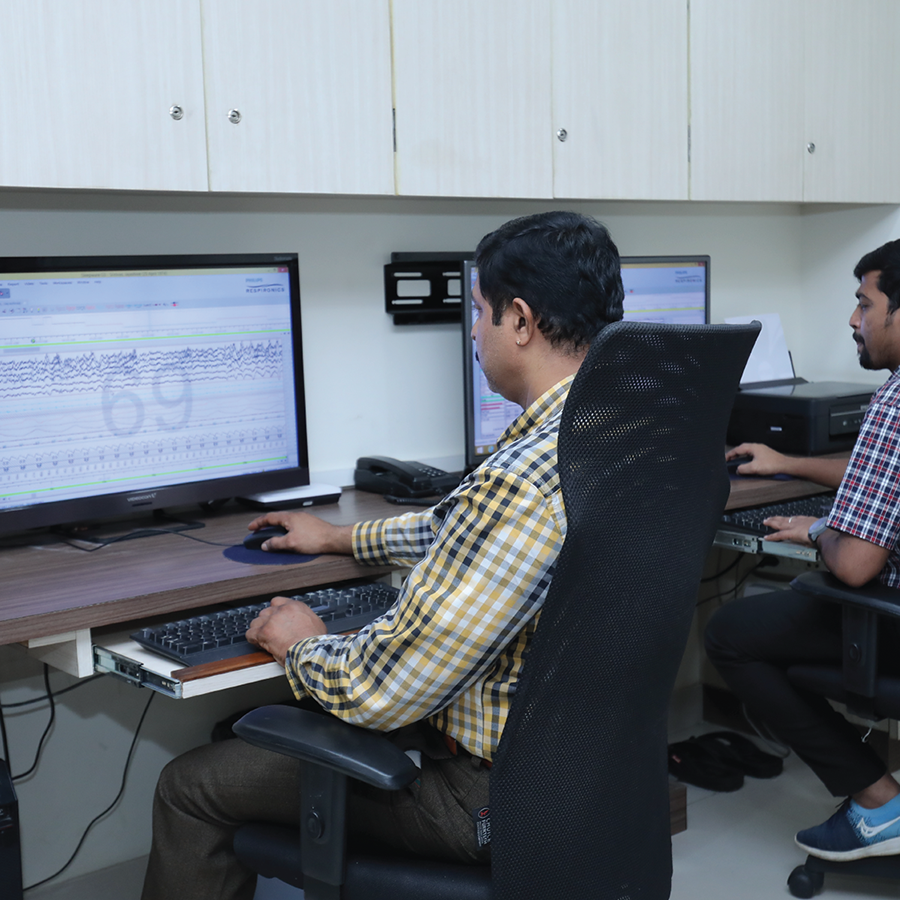
The data accumulated is thoroughly examined by sleep professionals, who determine any type of patterns or abnormalities indicative of sleep problems. Following this analysis, a follow-up consultation is set up to review the searchings for and prospective therapy alternatives tailored to the person's needs, helping with improved rest quality.

Types of Rest Studies: In-Lab vs. Home Rest Examinations
Two key types of rest researches exist: in-lab researches and home rest tests, each dealing with various demands and circumstances. In-lab research studies generally happen in a rest facility where individuals are kept track of overnight by medical care experts. This approach permits extensive information collection on different rest criteria, such as brain task, oxygen degrees, and heart rate. Individuals are often linked to multiple sensing units, providing comprehensive understandings right into their sleep disorders, including sleep apnea and narcolepsy.
On the other hand, home rest examinations supply an easier option for individuals who favor to carry out analyses in their own environment. These portable tools keep track of essential metrics like air flow, oxygen saturation, and snoring. While home tests are less complete than in-lab studies, they act as a useful option for identifying usual sleep disorders. Inevitably, the selection between these 2 types of rest studies depends upon private choices, medical requirements, and the intensity of sleep-related concerns.
Analyzing Your Rest Study Outcomes: Key Metrics Described
Understanding the results of a sleep study is important for clients looking for insights into their rest health and wellness. Trick metrics typically analyzed in rest studies consist of the Apnea-Hypopnea Index (AHI), which determines the number of apneas and hypopneas per hour of rest. AHI values assist identify the severity of rest apnea, with higher ratings indicating more considerable issues. Another vital metric is the complete rest time (TST), which shows the general period of sleep throughout the research. Sleep performance, the proportion of time spent asleep to time spent in bed, is also vital; greater percents suggest better rest high quality. In addition, the percentage of sleep spent in various stages-- light, deep, and rapid eye movement-- gives insights into sleep architecture. Comprehending these metrics outfits clients with the knowledge required to review their rest patterns with health care providers, leading the way for educated decisions concerning their sleep wellness.
Therapy Choices and Referrals Based on Your Rest Study
When a rest research exposes problems such as sleep apnea or other sleep disorders, different treatment choices and suggestions appear to improve total sleep wellness. For obstructive sleep apnea, continual favorable air passage stress (CPAP) treatment is generally recommended, providing a consistent stream of air to keep airways open throughout rest. Alternatively, dental appliances may be recommended for mild to modest cases, rearranging the jaw to avoid airway obstruction.
In cases of insomnia, cognitive behavioral treatment for sleeplessness (CBT-I) is typically suggested, concentrating on behavior changes and thought patterns that interfere with sleep. Additionally, lifestyle modifications such as fat burning, regular workout, and staying clear of alcohol or caffeine prior to going to bed may improve rest high quality.

Structure Healthy And Balanced Rest Behaviors: Tips for Better Relax
Structure healthy and balanced rest habits is crucial for accomplishing corrective rest. Establishing a consistent rest routine, limiting screen time before bed, and developing a comfortable check that rest setting can substantially enhance rest quality. These approaches act as foundational actions for people looking for far better sleep end results.
Establish a Rest Routine
Establishing a constant rest routine is important for advertising healthy and balanced sleep routines and enhancing general wellness. Sleep Study Bangalore. A regular sleep timetable, where people go to bed and awaken at the exact same time each day, reinforces the body's all-natural circadian rhythms. This predictability assists regulate the sleep-wake cycle, bring about boosted sleep quality. Producing a relaxing pre-sleep ritual, such as analysis or exercising leisure techniques, can signal the body that it is time to relax. Additionally, optimizing the rest atmosphere-- by maintaining a comfortable temperature level, reducing noise, and guaranteeing darkness-- can better support restful sleep. By prioritizing these practices, people can grow a lasting sleep routine that cultivates restorative rest and adds to far better psychological and physical health
Limit Display Time
As people increasingly rely on screens for entertainment and interaction, limiting display time before bed has come to be essential for advertising far better sleep. Research study shows that exposure to blue light released by devices such as tablet computers, mobile phones, and computers can disrupt the manufacturing of melatonin, the hormone accountable for controling sleep. Consequently, professionals recommend turning off displays at least one hour before bedtime to boost sleep high quality. Taking part in different activities, such as reviewing a publication or practicing leisure techniques, can assist individuals unwind and prepare for sleep. By purposely lowering screen time, individuals can cultivate healthier rest patterns, resulting in improved total well-being and increased daytime performance. Prioritizing this element of rest health is crucial for lasting health.
Create a Rest Shelter
Creating a rest haven can considerably boost a person's capability to accomplish peaceful sleep. This setting needs to focus on convenience and harmony, including elements that advertise relaxation. An ideal cushion and cushions are vital, as they straight influence rest quality. In addition, the area needs to be dark, silent, and cool; utilizing power outage curtains and white noise makers can promote this atmosphere. Individualizing the area with calming colors and scents, such as lavender, can further enhance leisure. Reducing mess additionally adds to a calm environment, allowing for mental clarity - Sleep Study Bangalore. By thoughtfully developing a rest haven, individuals can promote much healthier rest habits and produce a constant routine, ultimately causing boosted overall health and corrective remainder
Frequently Asked Concerns
How much time Does It Take to See Improvements After a Sleep Research?
Improvements great site after a rest research study can vary, but lots of people start to discover favorable adjustments within a couple of weeks. Consistent follow-up and adherence to advised treatments play important functions in attaining perfect outcomes.
Can Children Undergo Sleep Researches, and Just How Are They Various?
Yes, kids can undertake rest studies, which differ from grown-up research studies in keeping track of techniques and tools. Pediatric analyses frequently include child-friendly atmospheres and might consist of parent participation to guarantee comfort and accurate results.
Are Sleep Studies Covered by Insurance Coverage, and What Are the Prices?
Rest researches can be covered by insurance policy, relying on the plan and clinical need. Expenses vary extensively, varying from $300 to $3,000, influenced by the sort of study and place of the facility.
What Way Of Living Modifications Can Improve the Effectiveness of Rest Study Results?

Applying consistent rest timetables, decreasing high levels of caffeine intake, producing a relaxing going to bed routine, and keeping a comfortable sleep setting can greatly improve the effectiveness of sleep research results, promoting better sleep quality and general health.
Exactly how Often Should I Repeat a Rest Study for Ongoing Issues?
Individuals experiencing ongoing sleep issues must take into consideration repeating a sleep research every visit homepage one to 2 years, or as advised by healthcare professionals, to keep track of changes and adjust therapy plans effectively based upon their advancing rest patterns. (Sleep Study Bangalore)
Rest studies play a vital role in determining different rest problems that can considerably affect a person's wellness and well-being. Common problems discovered with these research studies include obstructive rest apnea, identified by repeated disturbances in breathing throughout rest, leading to fragmented sleep patterns. When a rest research study reveals problems such as rest apnea or various other sleep conditions, different treatment options and recommendations end up being readily available to improve general rest wellness. Establishing a regular rest routine, restricting screen time prior to bed, and developing a comfy rest environment can considerably improve rest top quality. Furthermore, optimizing the rest environment-- by maintaining a comfortable temperature, minimizing noise, and ensuring darkness-- can even more support relaxing rest.